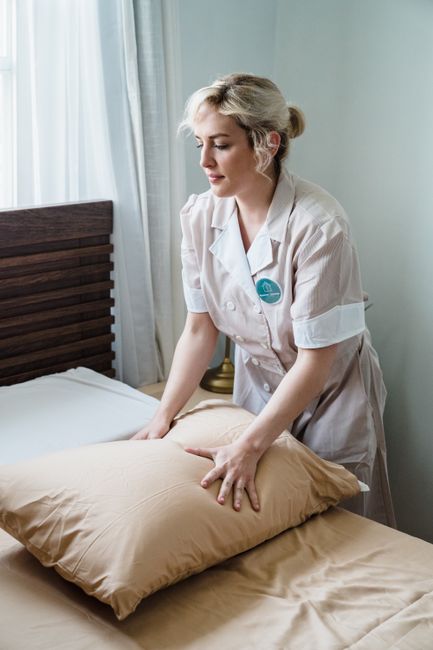
House cleaning for Hillingdon Hospital staff Uxbridge
If you work long shifts, start early, finish late, or sometimes come home feeling like you've run a marathon in sensible shoes, keeping on top of the house can become the bit that slips. That's exactly where House cleaning for Hillingdon Hospital staff Uxbridge comes in. It is not just about a tidy kitchen or a polished bathroom. It is about having a home that feels calm when your schedule is anything but.
For hospital staff, the demands are a little different from a standard 9-to-5 routine. Rotas change, sleep patterns change, weekends disappear, and the last thing anyone wants after a full day is to spend the evening scrubbing taps. A good cleaning arrangement should work around real life, not the other way round. In this guide, we'll walk through what it involves, how to choose the right service, what to expect, and the common mistakes to avoid. We'll also cover practical checklists, best practices, and the service options that tend to make the most sense for busy NHS workers in and around Uxbridge.
Think of this as a grounded, no-nonsense guide for staff who need their home to stay manageable without adding more stress. Truth be told, that alone can be a bit of a lifesaver.
Table of Contents
- Why House cleaning for Hillingdon Hospital staff Uxbridge Matters
- How House cleaning for Hillingdon Hospital staff Uxbridge Works
- Key Benefits and Practical Advantages
- Who This Is For and When It Makes Sense
- Step-by-Step Guidance
- Expert Tips for Better Results
- Common Mistakes to Avoid
- Tools, Resources and Recommendations
- Law, Compliance, Standards, or Best Practice
- Options, Methods, or Comparison Table
- Case Study or Real-World Example
- Practical Checklist
- Conclusion
- Frequently Asked Questions
Why House cleaning for Hillingdon Hospital staff Uxbridge Matters
Hospital work has a habit of taking over your energy in ways that don't always show up on a timesheet. You might be dealing with unpredictable shifts, emotionally heavy days, or just the plain physical fatigue that comes from being on your feet for hours. When that happens, cleaning the house can feel less like "a chore" and more like the last straw. Not ideal.
This is why house cleaning support matters so much for Hillingdon Hospital staff in Uxbridge. A well-kept home helps you recover properly between shifts. That may sound simple, but it matters. Clean bedding, fresh floors, and an uncluttered kitchen can make a real difference when you're trying to sleep at odd hours or reset after a demanding day.
There's also the practical side. If you live alone, share with housemates, or juggle family life on top of work, the cleaning load can build up quickly. One missed week becomes two. A bit of dust turns into a proper job. Before you know it, the whole place feels heavier. A cleaning plan stops that drift before it starts.
For some people, there's a hygiene angle too. Hospital staff are used to thinking about cleanliness in a professional setting, so it can be especially satisfying to come home to a place that feels equally cared for. You don't need clinical sterility at home, obviously, but you do want a space that feels fresh, safe, and settled.
Expert summary: The best house cleaning support for shift workers is flexible, consistent, and realistic. It should reduce pressure, not create another task to manage.
How House cleaning for Hillingdon Hospital staff Uxbridge Works
At a practical level, house cleaning for hospital staff is usually built around your rota and your priorities. Some people want a weekly clean. Others prefer a fortnightly visit, then a deeper reset once a month. There isn't one perfect arrangement. The best setup is the one that matches the way you actually live.
Typically, the process starts with a clear picture of the property. How many bedrooms? Are there pets? Is the bathroom the main pain point? Do you need help with ironing, inside windows, or oven cleaning? A proper service will use that information to shape the clean rather than applying some one-size-fits-all checklist and hoping for the best. That rarely works out well, to be fair.
If you're looking at a broader home tidy-up, services such as regular cleaning, deep cleaning, or one-off cleaning can all play a role depending on how much support you need. A regular clean is ideal for upkeep. A deep clean is better when things have slipped a little or you want a stronger reset. One-off cleaning makes sense if you only need support at certain times, such as after a stretch of night shifts or before guests arrive.
Some hospital staff also combine house cleaning with specific task-based services. For example, oven cleaning can save a lot of time, while window cleaning makes a home feel brighter without you climbing around with a bucket on your day off. If the soft furnishings are looking tired, you might also explore sofa cleaning or carpet cleaning.
The key point is this: the work should be tailored. A good clean for a nurse on a rotating shift pattern is not the same as a basic tidy for someone with a fixed office schedule. Different lives, different rhythm.
Key Benefits and Practical Advantages
There are obvious benefits, and then there are the quieter ones that people only notice once they've had a cleaner home for a few weeks. The obvious ones are easy enough: less dust, cleaner bathrooms, a kitchen that doesn't nag at you from across the room. The quieter ones are where it gets really useful.
- Better rest: A cleaner bedroom helps create a calmer sleep environment, especially if you're sleeping at unusual hours.
- Less mental load: You stop carrying the constant "I really should clean that" feeling around all day.
- More free time: Your days off become days off, which is refreshing in a way that sounds small but feels huge.
- Fewer last-minute panics: If someone pops by unexpectedly, the house is already in decent shape.
- Improved home hygiene: High-touch areas, floors, sinks, and bathrooms are cleaned consistently instead of only when you can face them.
- More manageable routines: Regular cleaning helps prevent the big, exhausting catch-up sessions that eat half a Saturday.
There's also a dignity piece here. It's easy to normalise living in a home that always feels a bit behind. But a comfortable, clean home isn't indulgent. It's supportive. Especially when your job already asks a lot of you.
If you want to compare cost and value before booking, have a look at pricing and quotes. That can help you think clearly about frequency, scope, and what level of support actually makes sense.
Who This Is For and When It Makes Sense
This kind of cleaning support is especially useful for hospital staff who are working irregular shifts, living in shared housing, or trying to keep a family home running on limited time. But the real deciding factor isn't job title. It's pressure.
You might benefit from house cleaning if:
- you work early, late, or rotating shifts at Hillingdon Hospital;
- you arrive home drained and simply do not have the energy to clean properly;
- your home is small but gets messy quickly because you're never there long enough to maintain it;
- you live with housemates and cleaning responsibilities keep slipping into arguments;
- you have children, pets, or both, which tends to make everything messier in a very efficient way;
- you need your home to stay presentable for visitors, family, or landlords;
- you're recovering from a busy season and need a reset without doing it all yourself.
It also makes sense when your own standards are slipping, but your stress is rising. That's a signal. Not a moral failure, just a sign that the current routine is too heavy.
And no, you don't have to wait until the place is borderline chaotic. In fact, the earlier you bring in support, the easier it is to keep everything under control. A bit boring, maybe. Very effective though.
Step-by-Step Guidance
If you're considering house cleaning support and want to keep the process straightforward, here's a sensible way to approach it.
- List the problems, not just the rooms. For example: sticky kitchen surfaces, bathroom limescale, pet hair on the sofa, dust on skirting boards, or laundry backlog.
- Decide how often you need help. Weekly, fortnightly, monthly, or occasional one-off cleaning each suit different routines.
- Prioritise by impact. Bedrooms and bathrooms often matter most for comfort, while kitchens usually have the biggest hygiene concerns.
- Choose the right service level. A maintenance clean is not the same as a deep clean, and trying to force one to behave like the other usually disappoints everyone.
- Check practicalities. Key access, parking, timing around shifts, pets, and any items that need special care all matter.
- Set expectations early. Be clear about what should be included and what should not. Small detail, big difference.
- Review after the first clean. This is the point where you adjust the plan. Maybe the bathroom needs more time than expected, or maybe the living room is the real trouble spot.
A realistic example: a healthcare worker on alternating early and late shifts might book a fortnightly regular clean, then add a seasonal deep clean every few months. That keeps the home under control without eating into precious rest days.
If the property has hard floors, heavy foot traffic, or shared spaces, it can also help to consider hard floor cleaning or communal area cleaning. Those aren't always the first things people think of, but they make the whole place feel more cared for.
Expert Tips for Better Results
Here's where small habits make a surprising difference. A cleaning service works best when the home is set up to be cleaned efficiently. That doesn't mean tidying everything perfectly before the cleaner arrives. It just means removing avoidable friction.
- Keep surfaces as clear as possible. The less clutter on counters and bedside tables, the more the cleaner can actually clean.
- Separate daily mess from deep-clean jobs. Laundry and paperwork are one thing. limescale and grime are another.
- Group tasks by room. Bathrooms, kitchen, and floors often deliver the biggest visible improvement first.
- Be honest about problem areas. If the hallway is full of muddy shoes every day, say so. There's no point pretending otherwise.
- Schedule around your rota if you can. After a night shift, you may not want anyone in the house at all. Fair enough.
- Ask for the right add-ons. If you need help with upholstery, rugs, or mattress refreshes, mention it upfront.
One little human tip: if you know you're going to have a brutal week, book the clean before the week gets brutal. That sounds obvious, but people forget. Then they spend Sunday evening staring at the skirting boards. We've all been there, in one form or another.
For softer furnishings, you may find upholstery cleaning, rug cleaning, or mattress cleaning useful, especially if you want the whole home to feel fresher rather than just visually tidy.
Common Mistakes to Avoid
People often make the same handful of mistakes when arranging cleaning support, and most of them are easy to avoid once you know what to look for.
- Choosing based only on price. The cheapest option is not always the best value if it misses key areas or feels rushed.
- Booking the wrong type of clean. A maintenance visit won't fix months of built-up grime. That needs a deeper reset.
- Being vague about priorities. "Just clean the place" is not as useful as "focus on kitchen surfaces, bathrooms, and floors".
- Ignoring access details. No one wants a delay because keys, entry instructions, or parking were unclear.
- Expecting a single visit to solve everything. Sometimes it takes a deep clean first, then a regular schedule to keep momentum.
- Forgetting to mention pets or special surfaces. Some materials need gentler care. Always better to say it early.
Another common issue is overpromising to yourself. You tell yourself you'll "just keep on top of it" after this tough rota ends. Then another busy stretch arrives, and the house quietly drifts again. That's normal. But it can be frustrating, so the trick is to build support into the routine rather than relying on future-you, who is usually also tired.
If you are moving between properties, you may also want to consider move-in cleaning or move-out cleaning. Those are particularly helpful when shifts are already eating your energy and you do not want to start from scratch.
Tools, Resources and Recommendations
Not every household needs a huge set of products. In fact, too many products can make the whole process more confusing than helpful. A practical home-cleaning setup for a hospital worker is usually fairly simple.
Useful basics often include:
- a decent vacuum cleaner with attachments for corners and upholstery;
- a mop suitable for your floor type;
- microfibre cloths for dusting and bathroom surfaces;
- a non-abrasive bathroom cleaner;
- a general-purpose surface cleaner;
- storage baskets or organisers to reduce clutter;
- laundry bins that make sorting easier after a long shift;
- a schedule or reminder system, even if it's just a note on your phone.
If your cleaning needs are more specific, a few service pages can point you in the right direction. For example, oven cleaning is a good choice when the cooker has become a job in itself, while carpet cleaning can make a room feel entirely different. If you've got odours or stubborn marks, stain removal and pet stain odour removal may be more relevant than a general wipe-down.
For external or seasonal upkeep, some homes also need window cleaning or even patio cleaning. Not glamorous, granted. But it does make the property feel looked after.
Law, Compliance, Standards, or Best Practice
For residential cleaning, the main compliance concerns are usually about safety, lawful working practices, insurance, and responsible handling of products. You do not need to become a legal expert to book a cleaner, but it is sensible to know the basics.
In the UK, good providers should be able to explain how they manage health and safety, insurance, and data handling where relevant. That means clear procedures for accessing properties, handling breakages, using cleaning chemicals safely, and dealing with complaints in a fair way. If you want reassurance, it is reasonable to review pages such as health and safety policy, insurance and safety, and terms and conditions.
It is also sensible to look for evidence of good practice around privacy and payment handling. That includes clear information on privacy policy and payment and security. Nothing dramatic, just proper housekeeping behind the scenes. Which, let's face it, is exactly what you want from a cleaning company too.
If environmental responsibility matters to you, especially if you're balancing family life or trying to reduce household waste, a page like recycling and sustainability can show how the business approaches materials and disposal. That kind of transparency builds trust.
Best practice, in plain English, means this: use clear communication, set realistic expectations, confirm what is included, and choose a provider that treats your home with respect. That's the standard worth aiming for.
Options, Methods, or Comparison Table
Different homes need different cleaning methods. If you're deciding what kind of support to book, this simple comparison can help you narrow it down.
| Option | Best for | Typical strengths | Watch out for |
|---|---|---|---|
| Regular cleaning | Busy staff who want ongoing support | Consistent upkeep, less mental load, easier scheduling | Won't fix heavy build-up if the home has been neglected |
| Deep cleaning | Homes that need a full reset | Targets built-up grime, corners, and less obvious areas | Takes more time and usually costs more than a maintenance clean |
| One-off cleaning | Occasional help or a special event | Flexible, useful before guests or after a rough period | Doesn't maintain results unless repeated |
| Move-in / move-out cleaning | Property changes, new tenancy, end of tenancy | Good for fresh starts and handovers | Scope needs to be clear to avoid missed expectations |
If your house is more "needs proper attention" than "needs a light tidy", a deep clean first is usually the smarter route. If the home is already in decent shape but life keeps getting in the way, regular cleaning tends to be the best fit. Simple enough, really.
Case Study or Real-World Example
Here's a realistic example. A member of staff at Hillingdon Hospital was working alternating early and late shifts, sharing a two-bedroom flat in Uxbridge, and keeping the place decent had become a constant source of tension. Every room was technically fine, but it never quite felt clean enough. The kitchen was always the biggest frustration because everyone used it at different times and nobody wanted to clean it at 11 p.m. after a shift.
Instead of trying to do everything themselves, they booked a deep clean to get the flat back to baseline, then switched to regular cleaning every two weeks. The first visit focused on kitchen surfaces, the bathroom, the hallway floor, and dust in the living room. Later visits kept the place under control with less effort.
The actual result wasn't just a nicer-looking flat. It was fewer arguments about chores, less Saturday catch-up, and a better sense of calm on evenings before an early shift. Small thing? Maybe. But it made a genuine difference to daily life. Sometimes that's the point.
They also added occasional extras, like sofa cleaning and window cleaning, when the flat needed a broader refresh. Nothing fancy. Just practical.
Practical Checklist
Use this quick checklist before booking house cleaning support:
- Identify your biggest pain points in the home.
- Decide whether you need regular cleaning, deep cleaning, or a one-off visit.
- Check access arrangements, parking, and key collection.
- List any fragile items, pets, or special surfaces.
- Be clear about priority rooms and tasks.
- Ask how the service handles safety, insurance, and complaint resolution.
- Review pricing and make sure the scope is understood.
- Plan the first visit at a time that fits around your rota if possible.
- Keep clutter down before the cleaner arrives so the time is used well.
- Review the result and adjust the plan after the first clean.
If you can tick most of those off, you're already in a strong position. The process becomes a lot smoother after that.
For a broader understanding of the company behind the service, you can also read about us. And if you want to check how feedback is handled, the complaints procedure is worth a quick look too. Not because you expect problems, but because good businesses are usually clear about what happens if something does go wrong.
Conclusion
House cleaning for Hillingdon Hospital staff in Uxbridge is really about making life feel manageable again. When your work asks a lot from you, home should be the place that gives some of that energy back. The right cleaning support does exactly that. It saves time, reduces stress, and keeps your space feeling like a proper place to rest rather than another unfinished job.
The best results usually come from a simple plan: choose the right type of clean, be clear about priorities, and build the service around your shifts rather than trying to force your life around the house. That's where the real value sits. Not in perfection. In relief.
If you're ready to make things easier at home, take the next step with a service that fits your routine and your standards. You deserve a clean, calm space after a long day, and honestly, that shouldn't feel like a luxury.
Get a free quote today and see how much you can save.
Frequently Asked Questions
What is the best type of cleaning for hospital shift workers?
For most shift workers, regular cleaning is the most practical option because it keeps the home under control without needing a full reset every time. If the property has already built up a lot of grime, starting with a deep clean is often smarter.
Can cleaning be scheduled around early and late shifts?
Yes, and it usually should be. A flexible schedule matters a lot for hospital staff. The cleaner should ideally work around your rota, key access arrangements, and any quiet times you prefer.
How often should Hillingdon Hospital staff book house cleaning?
That depends on the household. Weekly or fortnightly works well for many busy workers, while monthly support may be enough if the home stays fairly tidy. Shared homes and family homes often need more frequent attention.
Is a deep clean worth it if I'm already very busy?
Yes, if your home has drifted beyond day-to-day upkeep. A deep clean can reset the property so regular cleaning becomes easier afterwards. It is especially helpful after a tough period or before starting a maintenance routine.
What areas of the house should I prioritise first?
Bathrooms, kitchens, and floors usually give the biggest return. Bedrooms matter too, especially if you need good rest between shifts. If time or budget is limited, focus on the rooms that affect hygiene and recovery most.
Do I need to tidy before the cleaner arrives?
A little tidying helps, but you do not need to make the house spotless before the visit. The goal is to remove unnecessary clutter so the cleaner can spend their time actually cleaning. That said, a quick reset makes a noticeable difference.
What if I also need help with carpets or upholstery?
That is common. Many households benefit from adding services like carpet cleaning, upholstery cleaning, or mattress cleaning alongside general house cleaning. It depends on how much use the furniture gets and whether stains or odours are building up.
How do I know if a cleaning service is trustworthy?
Look for clear information about insurance, safety, privacy, payment handling, and complaints. A trustworthy service should be open about how it works and what is included. Straight answers are a good sign.
Is one-off cleaning useful for hospital staff?
Yes, especially if you only need help occasionally. One-off cleaning is useful after a run of difficult shifts, before visitors arrive, or when the house needs a proper catch-up without committing to a regular schedule.
What should I ask for in a first clean?
Start with the problems that annoy you most. That might be the bathroom, kitchen grease, dusty skirting boards, or floors that never quite stay clean. Be specific. It helps the service focus on what matters most to you.
Can I combine regular cleaning with occasional add-on services?
Absolutely. Many people use regular cleaning for maintenance and then book add-ons like oven cleaning, window cleaning, or stain removal when needed. That approach keeps costs sensible while still covering the bigger jobs.
Does a cleaner need special instructions if I have pets?
Yes, it is helpful to mention pets in advance. It affects access, cleaning products, vacuuming, and sometimes odour management. Most providers can work around pets quite easily when they know what to expect.
What if I'm not sure which service I need?
Start with your biggest problem rather than the service name. If the whole house needs a reset, deep cleaning is usually the right call. If you just need help staying on top of things, regular cleaning is probably the better fit. If you want more detail about the company's background, the about us page can also help you get a feel for the service.
In the end, the right cleaning support should feel practical, respectful, and quietly reassuring. A calmer home after a hard shift is a lovely thing, really, and worth making easy.